

Which potentially invasive plants pose a future threat to protected sites in North West Wales?
In the UK, 51% of the nearly 3,500 plant species are non-native, with many more in gardens that may be capable of escaping into the wild. While most pose no threat, some become invasive non-native species (INNS), which can dramatically alter habitats, damage infrastructure, and negatively impact human health and recreation. Managing INNS is often costly, requiring extensive control efforts and site remediation. Overall, invasive species cost the UK economy almost £2 billion annually.
Climate change is expected to amplify these challenges by creating conditions more favourable for some non-native plants to become invasive while stressing native species and reducing habitat resilience. Identifying potential future invasive species is critical to mitigating their spread before they become significant problems.
This project, conducted for North Wales Wildlife Trust as part of their Garden Escapers Project, focuses on identifying non-native vascular plant species that could pose future threats to protected sites in North West Wales, including Sites of Special Scientific Interest (SSSIs), Special Areas of Conservation (SACs), Special Protection Areas (SPAs), and nature reserves.
The project is funded by the Nature Networks Programme. It is being delivered by the Heritage Fund, on behalf of the Welsh Government.
The work is divided into two key components:
Desk-Based Scoping Review
A geospatial data analysis will assess non-native plant species and protected sites within three target areas in North West Wales. The analysis will incorporate data on non-native plant records, protected sites, and potential sources of future invasive species, such as gardens and urban parks. Customised analytical functions are being developed to facilitate similar studies in other regions.Field Survey
Selected protected sites identified as being at high risk of invasive non-native plants will undergo habitat surveys. These surveys will focus on locating, identifying, and mapping non-native plants while assessing mapping habitats.
Desk-Based Scoping Review
The Desk-Based Scoping review involved analysis of over 22,000 plant records across 70 protected area boundaries and hundreds of potential non-native plant sources within the target areas. A suite of bespoke PostgreSQL/PostGIS functions performed this complex analysis in minutes, enabling rapid replication for any region. The analysis produced three key outputs:
Species Proximity: Identifies non-native plant species intersecting protected area boundaries or within five distance bands.
Potential Sources: Assesses sources of non-native plants relevant to each site, considering proximity and distance bands.
Habitat Network Links: Maps non-native species connected to protected areas via Cyfoeth Naturiol Cymru / Natural Resources Wales habitat networks.
In total, these amounted to 100,000+ rows of data, requiring further summarisation and interpretation. Two key approaches were used:
Automated Site Reports: R Markdown was used to generate standard reports for each site, compiling charts, lists, and tables into a single Word document. Smart logic adapted outputs based on the nature of the results, reducing the need for manual processing and minimising errors.
Normalised Potential INNS Score (npINNS): The site reports exceeded 300 pages, so the results were further summarised through the creation of a normalised potential INNS score (npINNS). To quantify risk, each factor contributing to non-native species presence was scored from 0 (lowest risk) to 1 (highest risk). A weighted sum produced an overall npINNS score for each site, aiding prioritisation.
The site reports and npINNS scoring tables fed into the final scoping review report, which outlined data sources, methodology, and findings. Crucially, it provided evidence-based recommendations for targeted field surveys in the next phase of the project.
Field Survey
Permission was gained to survey eight of the targeted protected sites, covering a total of approximately 137 hectares. Sites ranged from nature reserves and SSSIs to local nature reserves, and included a variety of habitats from calcareous grassland and coastal dunes to Atlantic oak woodland.
Survey preparation involved desktop habitat mapping from aerial photography in GIS, which was then refined in the field using QField on a mobile device. Surveys followed standard Phase 1 habitat methodology, with particular effort directed towards locating, identifying and recording non-native vascular plants – especially in areas close to paths, roads, gardens and disturbed ground. Specimens were collected and, where identification was uncertain, pressed for later verification.
Key findings:
Non-native vascular plants were recorded at every surveyed site, though the extent and diversity varied considerably. Eighty-six non-native vascular plants were recorded across all sites.
Some sites supported only scattered individuals, while others – particularly around Great Orme and the coastal dunes near Porthmadog – contained well-established populations of multiple species that pose a significant threat to native habitats.
The scoping study risk scores were broadly validated: sites assessed as higher risk generally supported greater numbers and diversity of non-native species.
Field surveys also found non-native plants at sites with few or no historic records, confirming that on-the-ground evidence is essential to complement predictive modelling.
Fairy Glen LNR and Upper Dingle Woods LNR had virtually no prior records of non-native plants yet supported a combined total of nearly 40 species between them, highlighting significant gaps in existing botanical recording.
Proposed additions to the key taxa list
Non-native species recorded during the surveys were assessed against a set of criteria covering current distribution, trend, dispersal ability, and climate change potential. Twenty-three taxa were identified as candidates for addition to the Garden Escapers project's list of key potentially invasive non-native vascular plants, including:
Cotoneaster species and hybrids – recommended as a group given their prolific fruiting and bird-dispersal, and the difficulty of identification to species level.
Cherry Laurel Prunus laurocerasus and Portugal Laurel P. lusitanica – both bird-dispersed and a particular threat to woodland communities.
Ornamental grasses (Pampas Grass Cortaderia selloana, Greater Quaking-grass Briza maxima, Argentine Needle-grass Nassella tenuissima) – commonly grown in gardens and seeding abundantly into open habitats.
Japanese Rose Rosa rugosa and Giant Knotweed Reynoutria sachalinensis – posing particular risks to coastal and riparian habitats respectively.
Nine species associated with milder climates – including Bay Laurus nobilis, Holm Oak Quercus ilex and Rosemary Rosmarinus officinalis – identified as likely to increase their invasive potential as the climate warms.
As part of this assessment, Welsh short-term trend data from the Plant Atlas were processed to classify each species as increasing, stable or decreasing using the thresholds established by Stroh et al. (2023), with model-based certainty calculated for each trend to guide the weight placed on the result. The 25 non-native species showing the greatest model-based certainty of increase in Wales were identified and prioritised.
Conclusions
The project demonstrated how predictive desk-based tools and targeted field surveys can work together to guide conservation priorities. The combined approach provides a much clearer picture of non-native plant pressures on protected sites than either method alone. The survey data now provide an important baseline against which future change can be measured and the methodology is readily transferable to other areas.

Map showing the three areas targeted by this project.

Number of non-native vascular plants intersecting each buffer distance around the boundary of a site. Only vascular plants where the confidence of presence is at least 50% are included. Vascular plants included in buffer = 0 m have a 50% confidence of presence within the site.

Proximity to the nearest greenspace within 5 km of the boundary of a site.

Area of each greenspace type intersecting each buffer distance around the boundary of a site. Greenspace area included in buffer = 0 m is within the site.
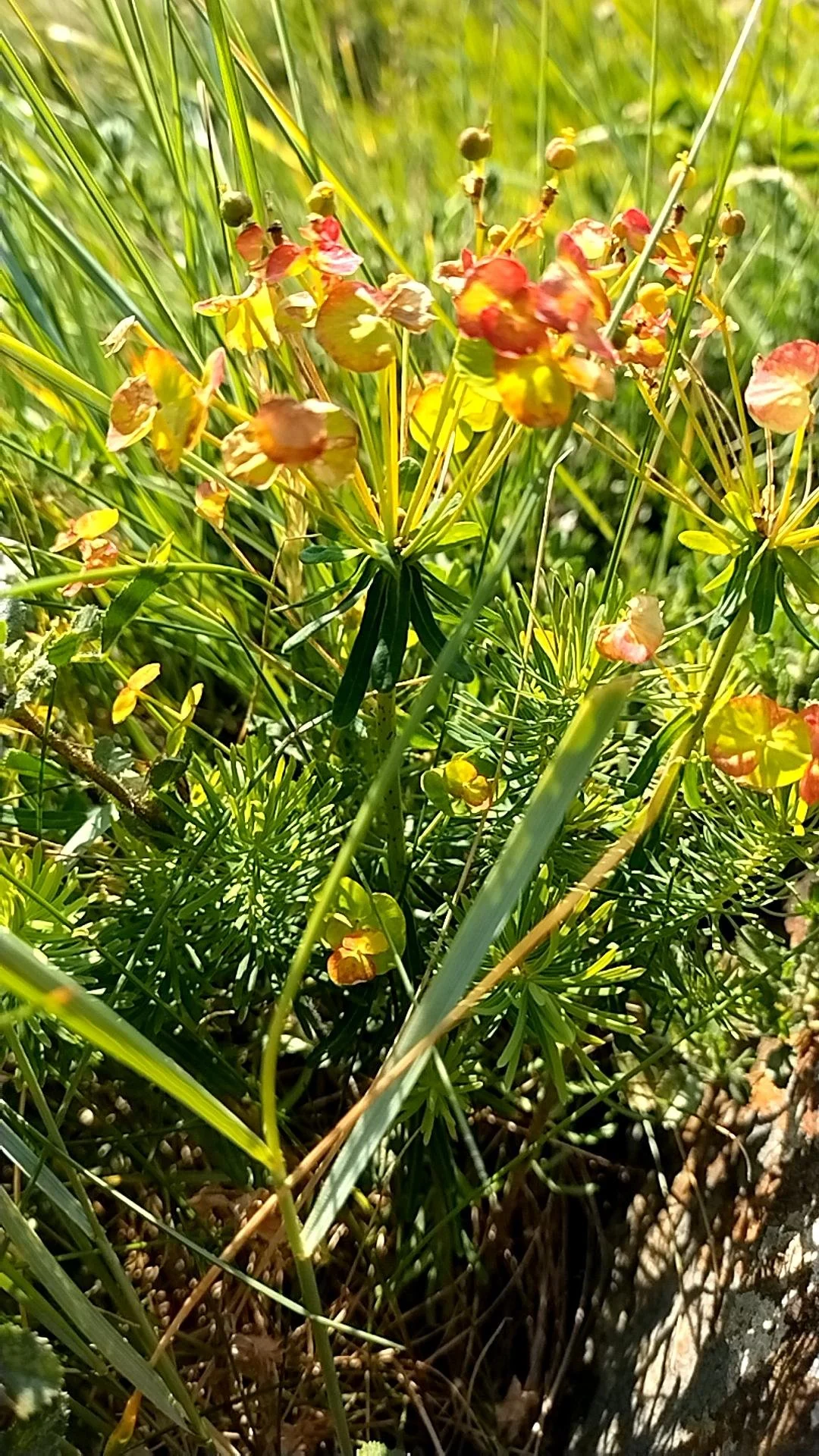
The non-native species Cyprus Spurge Euphorbia cyparissias.
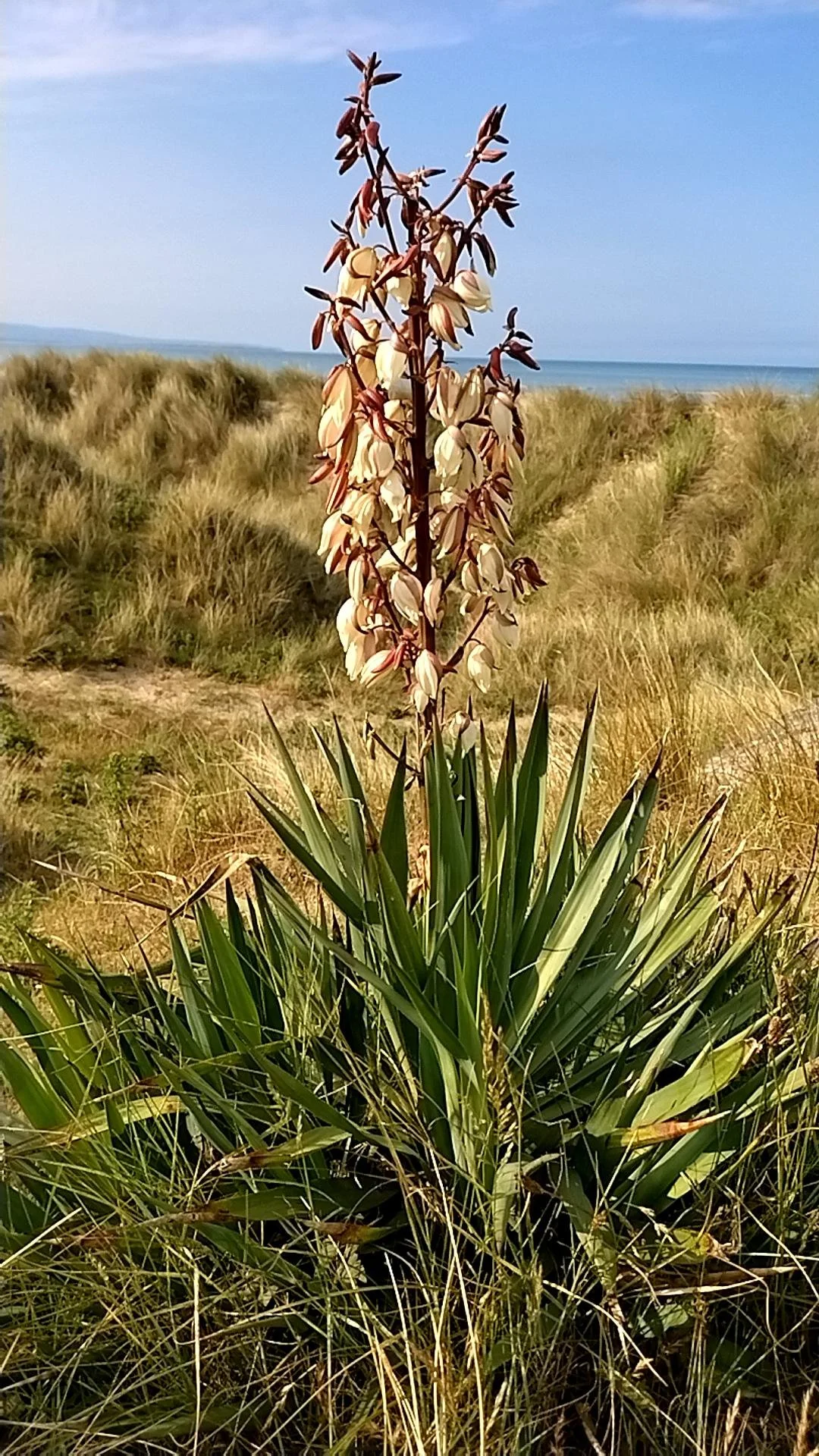
The non-native plant Spanish-dagger Yucca gloriosa.
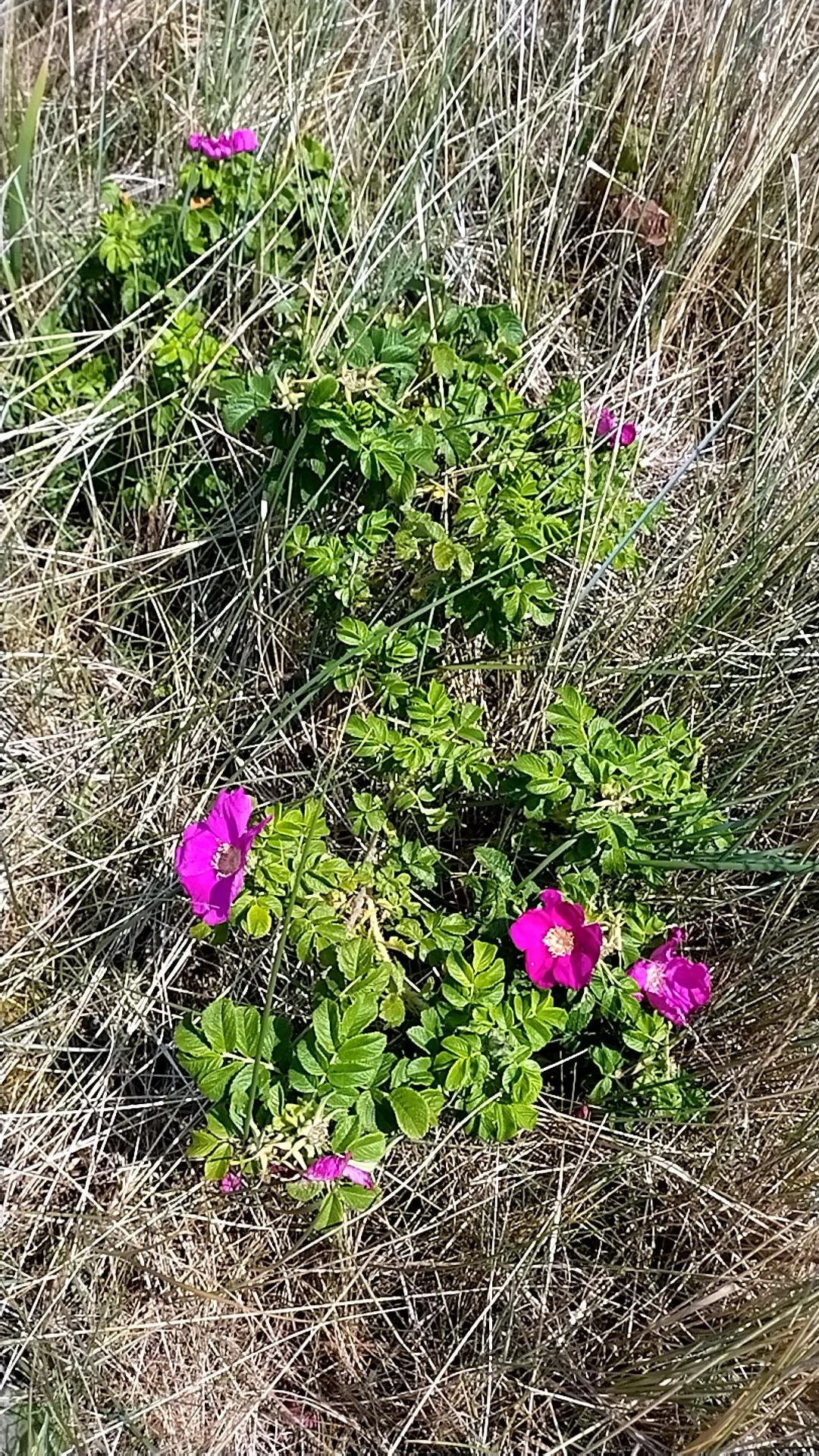
The non-native plant Japanese Rose Rosa rugosa.
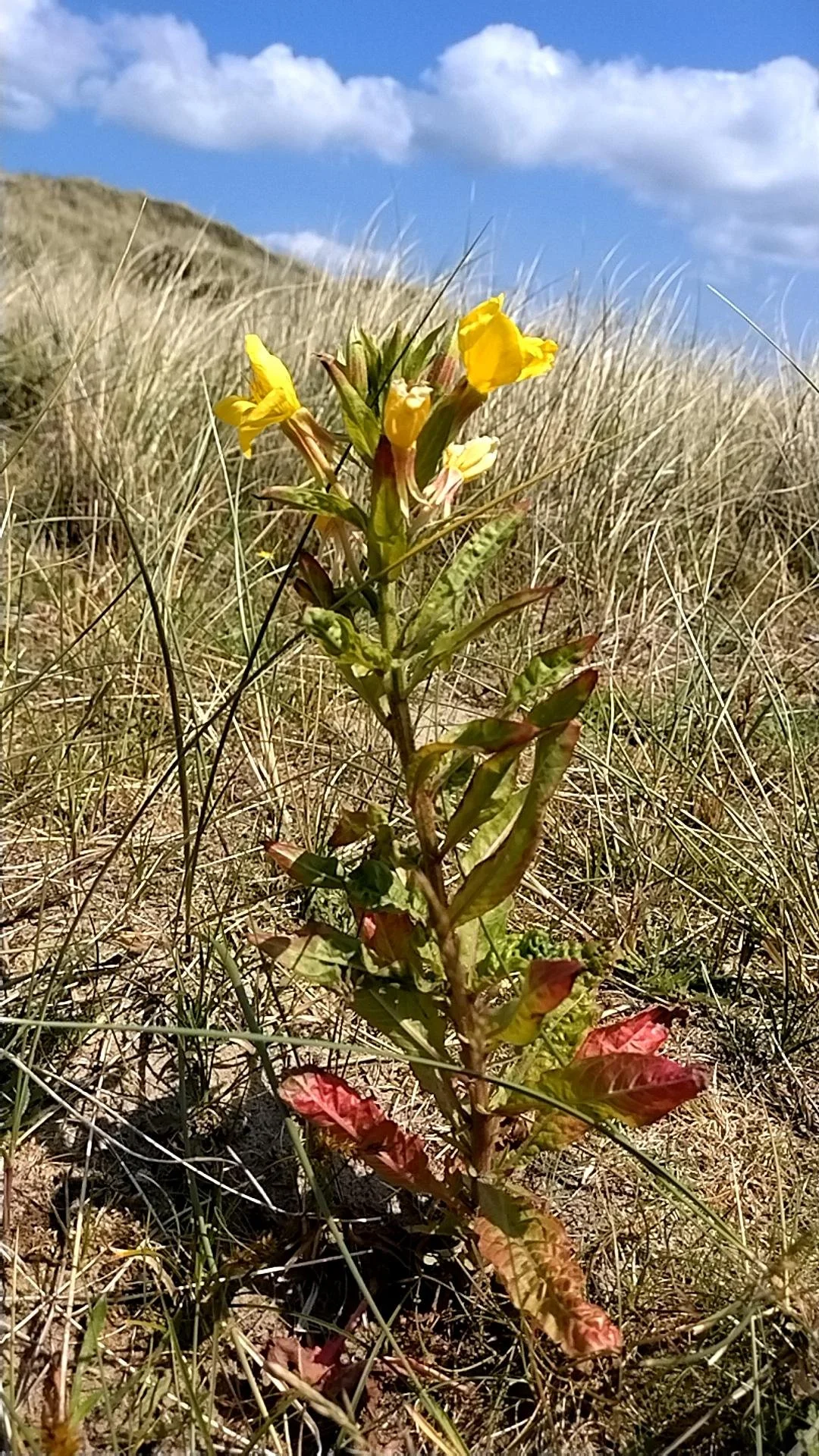
The non-native hybrid plant Intermediate Evening-primrose Oenothera × fallax.
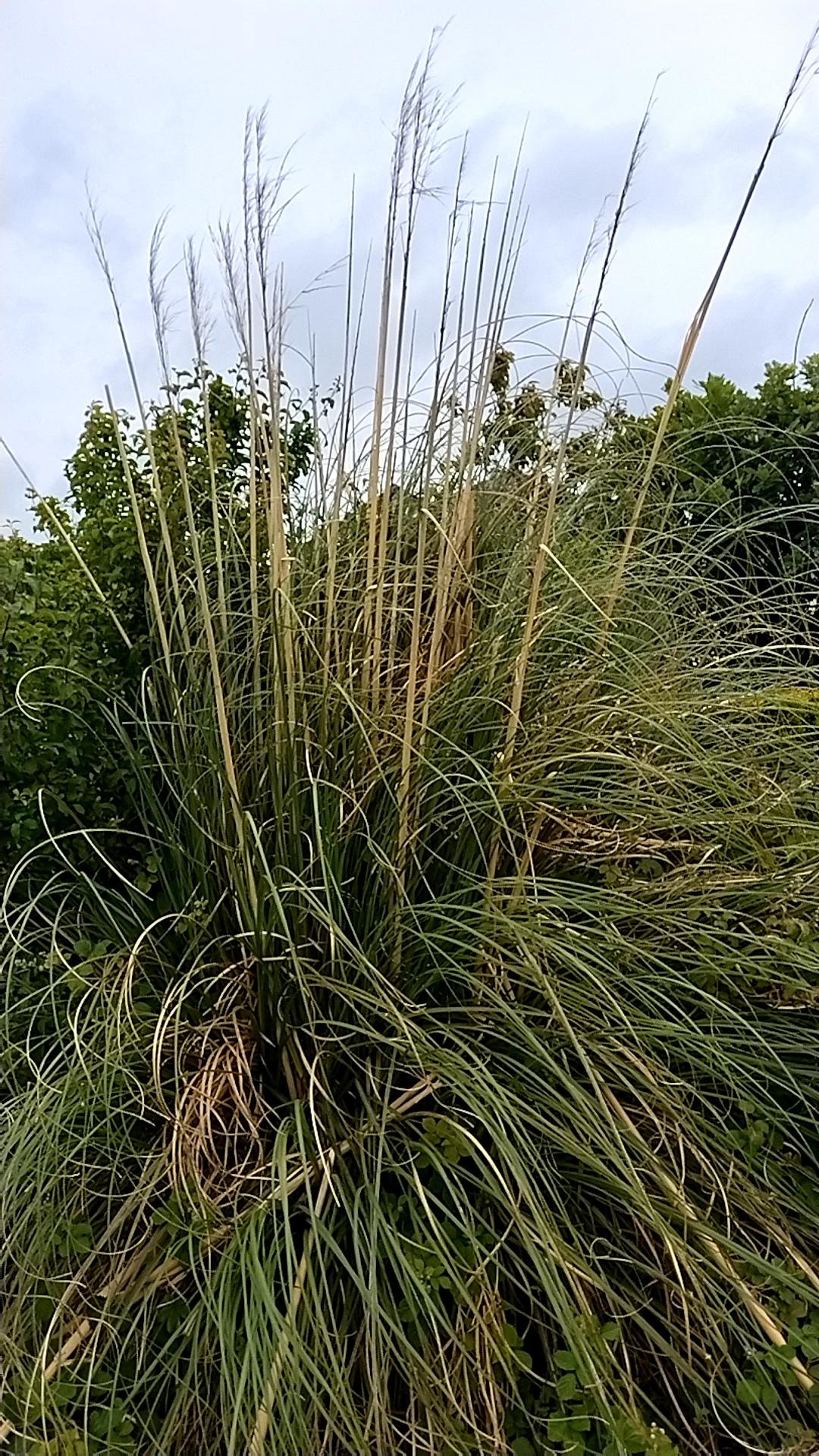
The non-native plant Pampas-grass Cortaderia selloana.
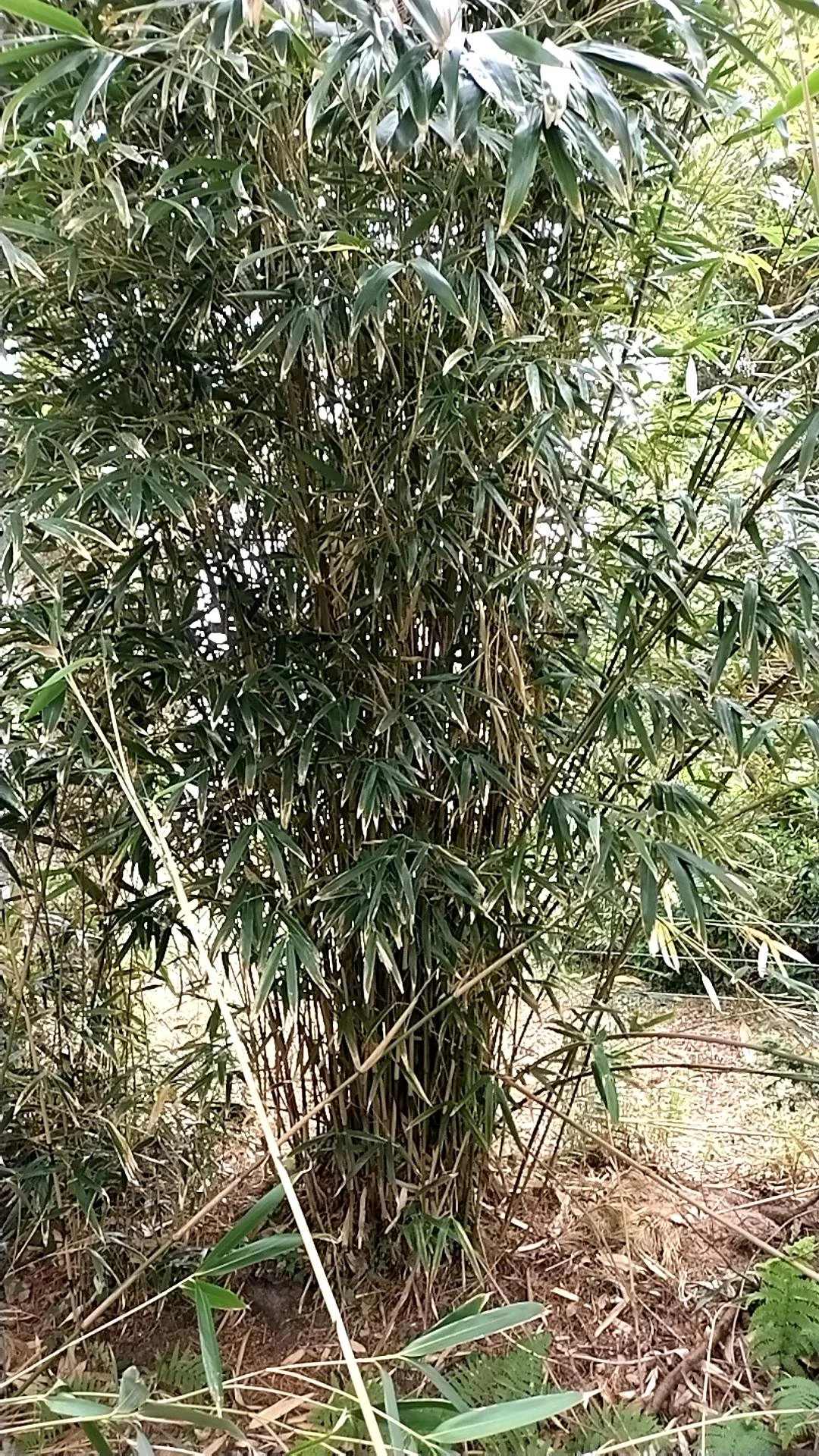
The non-native plant Broad-leaved Bamboo Sasa palmata.

Custom survey app developed for the consultation with Natural Resources Wales (NRW).